U.S. State Department to Revoke Passports for Unpaid Child Support Over $10,000 Starting November 30.
U.S. State Department to Revoke Passports for Unpaid Child Support Over $10,000 Starting November 30
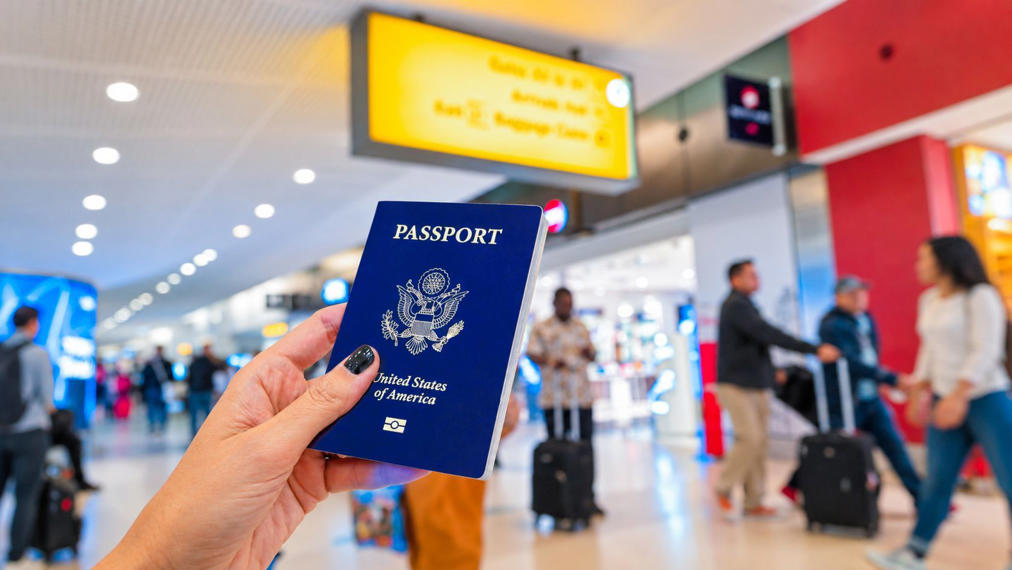
The U.S. Department of State will begin implementing the seventh phase of its passport revocation initiative on November 30, targeting noncustodial parents with child support arrears of **$10,000 or more**. This marks the latest escalation in a phased enforcement campaign launched in May 2026, which initially targeted parents owing $100,000 or more before progressively lowering the threshold to $75,000, $50,000, $40,000, $25,000, and $15,000. According to federal guidance sent to state child support directors, the federal Office of Child Support Enforcement (OCSE) provided the State Department with a list of eligible noncustodial parents on November 16; the State Department then identified individuals holding valid U.S. passports and initiated revocation proceedings.
The legal basis for revocation rests on federal law permitting the State Department to deny or revoke passports of individuals owing more than $2,500 in past-due child support. What distinguishes the current campaign is the proactive revocation of existing valid passports on a large scale, rather than the previous practice of flagging applications at renewal or new application stages. The U.S. Department of State officially stated in May 2026 that the Department is coordinating with the Department of Health and Human Services “on an unprecedented scale” to revoke passports of Americans with significant outstanding child support debt, describing the action as “supporting the welfare of American children by exacting real consequences for child support delinquency under existing federal law”.
Federal officials estimate that since May, more than 1.8 million noncustodial parents have been referred to the State Department, and more than 50,000 active passports have already been revoked. Data from Puerto Rico’s child support enforcement agency (ASUME) illustrates the localized impact: the island currently has 4,529 active cases involving child support arrears between $10,000 and $14,999. ASUME Administrator María del Mar Mateu Meléndez noted that “in just six months, the federal government has announced seven phases of passport revocations for child support debt,” urging parents to address their obligations promptly.
The State Department emphasized a critical consequence: a revoked passport cannot be used for travel even after the child support debt is subsequently paid. Eligibility for a new passport is only restored after the debt is resolved with the relevant state child support enforcement agency and HHS updates its records, a process that may take a minimum of 2-3 weeks. Affected individuals receive revocation notices directly from the State Department via email or the mailing address on their most recent passport application. Individuals abroad whose passports are revoked may contact the nearest U.S. embassy or consulate regarding a limited-validity passport for direct return to the United States. State-level policies vary: New Jersey, for example, operates a “zero arrears” policy generally requiring full payment before a passport restriction is removed, with narrow exceptions for work-related travel, serious medical emergencies, or the imminent death of an immediate family member.