The Pivot from Trading to Industrial Sovereignty—The Footnotes of an Empire
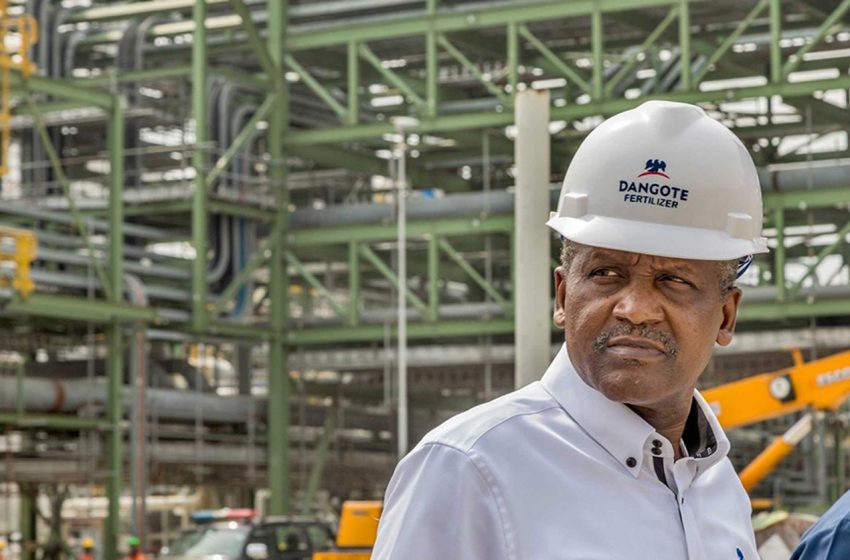
The Pivot from Trading to Industrial Sovereignty—The Footnotes of an Empire
Many brilliant merchants remain trapped in the endless loop of buying and selling. Aliko Dangote’s genius, however, was his refusal to remain a middleman. During the volatile import booms of late-1970s Nigeria—marked famously by the “Cement Armada” where ships congested the Lagos port—Dangote secured vital import licenses for agricultural goods, rice, sugar, and cement. But instead of resting on import margins, he diagnosed a deeper vulnerability in Africa’s economic architecture: a continent that imports what it consumes remains economically colonized.
In a masterstroke of strategic industrialization, Dangote shifted billions of dollars from trading into heavy manufacturing. He constructed massive local flour mills, salt processing plants, sugar refineries, and the crown jewel of his empire—Dangote Cement. His operational mantra became legendary: “We do not keep money in the bank. We fully invest whatever we have, and we keep on investing.” By building local capacity from the ground up, he insulated his enterprises from foreign exchange shocks and transformed Nigeria from a dependent importer into a self-sustaining industrial exporter. It is a textbook lesson in sovereign economic engineering.
Official Dangote Group Insights | Explore African Business Chronicles
By Francis Fagjot John, Ph.D.
Editor & Publisher, TipsNews International
Executive Director, America Media Consultants
Gold Recipient, U.S. Presidential Volunteer Service Award (PVSA)
Kansas City, Missouri, USA