KuliKuli Entertainment USA Reviews Dauda Kahutu Rarara for NNCHOFDA 2027: Art, Politics, Freedom of Expression and Northern Nigerian Cultural Influence
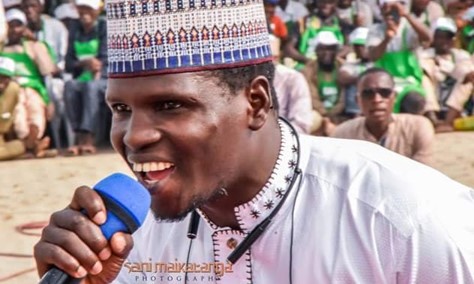
KuliKuli Entertainment Reviews Dauda Kahutu Rarara for NNCHOFDA 2027: Art, Politics, Freedom of Expression and Northern Nigerian Cultural Influence
By Francis Fagjot John, PhD
KuliKuli Entertainment USA | Northern Nigeria Celebrities Hall of Fame, Awards & Development (NNCHOFDA)
A Continuing Call for Recommendation, Review and Due Consideration
KuliKuli Entertainment is continuing its review of prominent Northern Nigerian creative personalities for possible recognition through the Northern Nigeria Celebrities Hall of Fame, Awards & Development (NNCHOFDA).
As part of that process, Dauda Kahutu Rarara, popularly known as Rarara, merits serious consideration because his career occupies a distinctive space at the intersection of Hausa music, Northern Nigerian culture, political communication, public commentary and popular influence.
This article is not an announcement that an award has already been approved. It is a call for informed recommendation, professional assessment, documentation, public discussion and due consideration before any final NNCHOFDA decision.
Rarara’s own artist biography describes a career combining music and politics, while his music catalog and official artist presence demonstrate an extensive body of Hausa-language work.
KuliKuli Entertainment believes the proper question is therefore not simply whether everyone agrees with Rarara’s politics.
The more important question is:
Can artistic achievement, cultural contribution, political expression, public disagreement and professional accountability be evaluated fairly and independently when considering an artist for recognition?
That is the learning curve.
Dauda Kahutu Rarara: Artist, Songwriter and Political Communicator
Dauda Kahutu Rarara has developed a distinctive identity within Hausa-language music.
His official music presence identifies him as a Nigerian musical artist, songwriter and producer, while his Apple Music profile describes a career that combines music and politics and connects his artistic approach to Northern Nigerian heritage and storytelling.
His work demonstrates how Hausa music can function beyond entertainment—as a vehicle for storytelling, cultural identity, political messaging and public engagement.
This makes Rarara relevant to a wider discussion about the role of artists in Northern Nigeria’s evolving creative economy.
Faith, Culture and Personal Identity
Rarara’s Islamic background and Hausa cultural identity form part of the broader biographical context of his career.
However, a responsible award review should carefully distinguish between faith, artistic expression and political affiliation.
An individual’s religion should not automatically determine artistic eligibility. Likewise, political affiliation should neither automatically qualify nor disqualify an artist.
The appropriate consideration should be the individual’s body of work, professional contribution, cultural influence, community impact and compliance with the award’s established standards.
This principle is important to preserve the credibility of NNCHOFDA.
Music and Politics: A Defining Feature of Rarara’s Career
Political communication has become an important dimension of Rarara’s artistic identity.
His music has been used in political contexts and associated with political figures and campaigns, illustrating the ability of popular Hausa-language music to communicate political ideas to mass audiences.
That influence creates both an opportunity and a responsibility.
Political musicians can make political ideas accessible to audiences that may not engage with formal political communication.
At the same time, political music can become partisan, personal or controversial.
The mature approach is therefore not to eliminate political music but to encourage responsible artistic expression, factual awareness, dignity and constructive public discourse.
Should Political Disagreements Affect NNCHOFDA Recognition?
This question deserves careful consideration.
An artist may disagree with a politician.
A politician may disagree with an artist.
Two musicians may criticize each other.
A musician may support one political party today and another political party tomorrow.
None of these circumstances should automatically determine artistic eligibility.
Instead, NNCHOFDA should examine the specific award criteria and ask:
- What has the artist accomplished?
- What cultural contribution has been made?
- What is the documented influence of the work?
- What community or developmental impact exists?
- Does any alleged controversy materially relate to the award criteria?
- Is there substantiated professional misconduct?
- Are the same standards being applied to every nominee regardless of political affiliation?
This is the difference between an award based on merit and an award based on popularity or political preference.
Freedom of Expression and Freedom of Association
Rarara, like other artists, should be able to express political opinions and associate with political movements within the bounds of applicable law.
However, freedom of expression also carries responsibility.
The same principle should apply to every artist, regardless of political preference.
Freedom of expression does not mean freedom from accountability.
At the same time:
political disagreement does not automatically equal professional misconduct.
That distinction should remain central to the NNCHOFDA review.
The Learning Curve for Fans
Fans should also learn to separate disagreement from hatred.
A person can disagree with an artist’s political position while acknowledging the artist’s artistic achievement.
Likewise, supporting an artist does not require agreeing with every statement that artist makes.
A mature creative culture should be able to say:
“I disagree with the position, but I recognize the contribution.”
That is a healthier model for Northern Nigerian entertainment.
The Learning Curve for Artists
Artists possess enormous influence.
A popular musician can communicate an idea to thousands or millions of people through a song, video or performance.
That influence should therefore be accompanied by:
- responsibility;
- factual discipline;
- respect for human dignity;
- constructive disagreement;
- professional restraint;
- willingness to listen;
- awareness of consequences; and
- continuous artistic development.
Political music can be powerful without becoming destructive.
Criticism can be strong without becoming personal.
And disagreement can exist without eliminating respect.
Northern Nigeria, Arewa and the Creative Economy
Rarara’s career also provides an opportunity to discuss the broader potential of Northern Nigeria’s creative economy.
The region possesses enormous cultural assets in:
Hausa music, Kannywood, traditional performance, literature, fashion, storytelling, digital media, comedy, film and television.
The challenge is converting that cultural capital into:
creative talent → professional careers → businesses → employment → investment → exports → international recognition.
This is where KuliKuli Entertainment sees a much larger opportunity.
Recognition should not end with a plaque or trophy.
It can become a pathway toward professionalization, internationalization, entrepreneurship and employment creation.
AREWA24 and the Northern Nigerian Media Ecosystem
The continuing development of Northern Nigerian entertainment also makes platforms such as AREWA24 particularly relevant to the broader cultural conversation.
AREWA24 describes itself as a Hausa-language entertainment and lifestyle television network and production studio focused on authentic Northern Nigerian stories, culture, music, film, art and other forms of regional storytelling. Its current platform says it reaches audiences across Nigeria and West Africa and operates both broadcast and digital offerings.
Its programming also demonstrates the potential of Northern Nigerian television to combine entertainment, culture, youth programming, music and social issues.
That makes the broader Arewa media ecosystem an important part of the conversation about how artists such as Rarara can move from regional recognition toward wider professional and international visibility.
KuliKuli Entertainment’s Planned Rarara Interview
KuliKuli Entertainment believes that Rarara should have an opportunity to speak for himself as part of a responsible review process.
Accordingly, arrangements are being developed for a local KuliKuli Entertainment team to conduct a preliminary interview with Rarara as soon as practicable.
The purpose will be to hear directly from the artist about:
- his musical journey;
- his creative philosophy;
- the relationship between his music and politics;
- his understanding of freedom of expression;
- his relationship with fans;
- his view of Northern Nigerian cultural development;
- his vision for the future of Hausa music;
- his response to public criticism and controversy;
- his aspirations for international development;
- employment and economic opportunities for young creatives; and
- his perspective on possible NNCHOFDA recognition.
The interview will be documented and, subject to the artist’s agreement and appropriate editorial arrangements, made available to the public.
A More Comprehensive Interview During KuliKuli Entertainment’s Nigeria Visit
In addition, when the management of KuliKuli Entertainment is in Nigeria, the management team intends to meet personally with Rarara for a more comprehensive, in-depth interview and feedback session.
That meeting would provide an opportunity for a deeper conversation about his career, artistic development, public influence, controversies, professional aspirations and potential internationalization.
The purpose is not to interrogate or prejudge him.
It is to listen, learn, document and create an informed record.
Rarara deserves an opportunity to explain his own journey, just as fans, critics and the award institution deserve a fair opportunity to evaluate the available information.
From Political Music Toward Developmental Music
There is also an opportunity for artistic evolution.
An artist who has developed the ability to communicate political messages can potentially use that same creative strength to address broader developmental issues:
- education;
- youth employment;
- entrepreneurship;
- agriculture;
- technology;
- peacebuilding;
- cultural preservation;
- good governance;
- social responsibility;
- economic empowerment; and
- Northern Nigerian development.
This does not require abandoning political music.
It means expanding the creative mission.
Music can advocate.
Music can educate.
Music can preserve culture.
Music can create jobs.
Music can inspire entrepreneurship.
Music can build bridges.
Music can also become an instrument of cultural diplomacy.
International Professional Development
Should NNCHOFDA ultimately approve recognition and should Rarara accept a future professional development opportunity, KuliKuli Entertainment would be interested in exploring ways to help strengthen his international career profile.
Any such program would be subject to mutual agreement, appropriate documentation, scheduling, funding and applicable travel or immigration requirements.
The focus would be professional rather than political, potentially including:
- international music production;
- artist management;
- copyright and intellectual-property awareness;
- digital distribution;
- streaming strategy;
- international media relations;
- professional branding;
- live-performance standards;
- music-business entrepreneurship;
- cultural diplomacy;
- collaboration with international artists;
- professional archiving of Hausa musical heritage; and
- development of sustainable creative-industry revenue.
The objective would not be to change Rarara’s political beliefs.
It would be to help an established Northern Nigerian artist translate regional influence into sustainable international professional opportunity.
KuliKuli Entertainment’s Recommendation
KuliKuli Entertainment therefore continues to call for recommendation, review, documentation, consideration and due approval of Dauda Kahutu Rarara for potential NNCHOFDA 2027 recognition, subject to the established procedures and final determination of the appropriate award authorities.
This position should not be interpreted as ignoring controversy.
Instead, it means that controversy should be examined fairly and proportionately.
The question should not be:
“Does everyone agree with Rarara?”
The better question is:
“Does Rarara’s documented artistic, cultural and professional contribution meet the applicable standard for recognition?”
That is the standard that should apply to him and every other nominee.
A Learning Curve for Northern Nigeria
Rarara’s case provides a larger lesson.
Northern Nigeria does not need an entertainment culture in which artists must all think alike.
It needs an entertainment culture capable of accommodating:
talent + disagreement + accountability + creativity + cultural pride + professional development.
The region’s artists should be encouraged to express themselves while continuing to learn, evolve and take responsibility for the influence they possess.
Award institutions should be independent and consistent.
Fans should become more discerning.
Media organizations should pursue balanced conversations.
Artists should be given room to grow.
And the creative economy should become a genuine pathway to employment and economic development.
Conclusion: Recognition Should Become Development
Dauda Kahutu Rarara’s career is complex, influential and worthy of serious examination.
His identity as a Hausa musician, songwriter, producer and political communicator places him within an important chapter of Northern Nigerian popular culture.
His political positions and public disagreements should neither automatically guarantee recognition nor automatically prevent it.
Evidence, merit, cultural contribution, professional standards, public responsibility and the established award criteria should guide the decision.
KuliKuli Entertainment therefore invites thoughtful recommendations, professional opinions, documentation and constructive public discussion as the NNCHOFDA 2027 review continues.
The forthcoming local interview and planned management-level interview in Nigeria should add another important dimension: hearing directly from Rarara himself.
The ultimate objective is bigger than one award.
It is about demonstrating that:
artistic excellence can coexist with political expression;
freedom of expression can coexist with responsibility;
disagreement can coexist with respect;
Northern Nigerian culture can coexist with international standards;
and
recognition can become a pathway to development.
If NNCHOFDA recognition ultimately follows, KuliKuli Entertainment hopes it can become more than a ceremonial honor.
It can become an opportunity for:
career development, cultural preservation, international exposure, creative entrepreneurship, youth employment and economic impact.
That is the standard to which the Northern Nigerian creative industry should aspire.
Recommendation. Review. Interview. Evidence. Dialogue. Due Process. Recognition. Development.
The conversation continues.
Related KuliKuli Entertainment Topics
For the continuing development of the Northern Nigerian entertainment ecosystem, readers should also follow related KuliKuli Entertainment initiatives covering:
- NNCHOFDA and Northern Nigerian creative recognition
- KuliKuli Entertainment and Hausa music
- Northern Nigerian cultural preservation
- Kannywood and the creative economy
- AI and the future of African creators
- AI Film Academies and Script Labs
- Digital Animation and Music Studios
- AI Voice Preservation Projects
- Creative entrepreneurship and youth employment
- Fashion, inclusion and cultural diplomacy
These initiatives are intended to connect Northern Nigerian talent with broader African and international opportunities.
Author
Francis Fagjot John, PhD
Executive/Creative Leadership
KuliKuli Entertainment USA
This editorial represents a call for review and consideration, not a final award decision. Any NNCHOFDA recognition remains subject to the organization’s applicable review and approval process.