Comparative Leadership & Rigorous Performance Analysis: Evaluating FCT Ministerial Tenures and Nyesom Wike’s Preeminent Benchmark
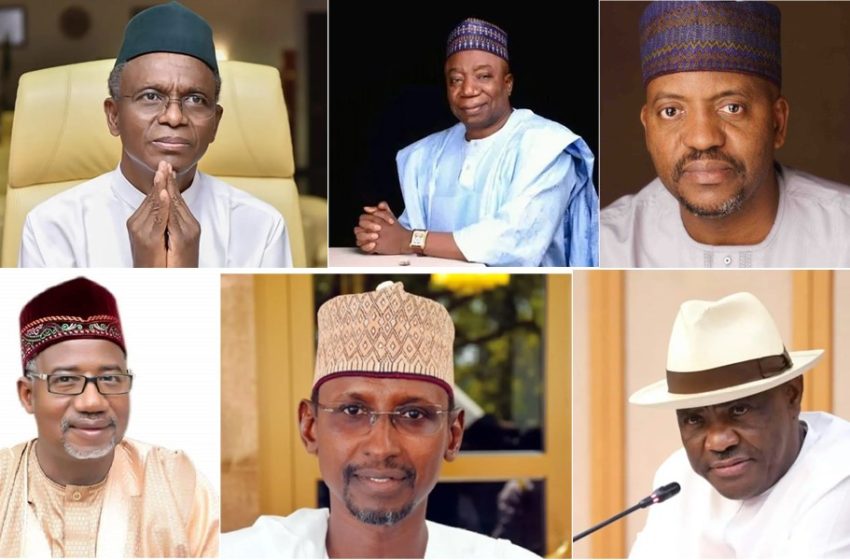
Comparative Leadership & Rigorous Performance Analysis: Evaluating FCT Ministerial Tenures and Nyesom Wike’s Preeminent Benchmark
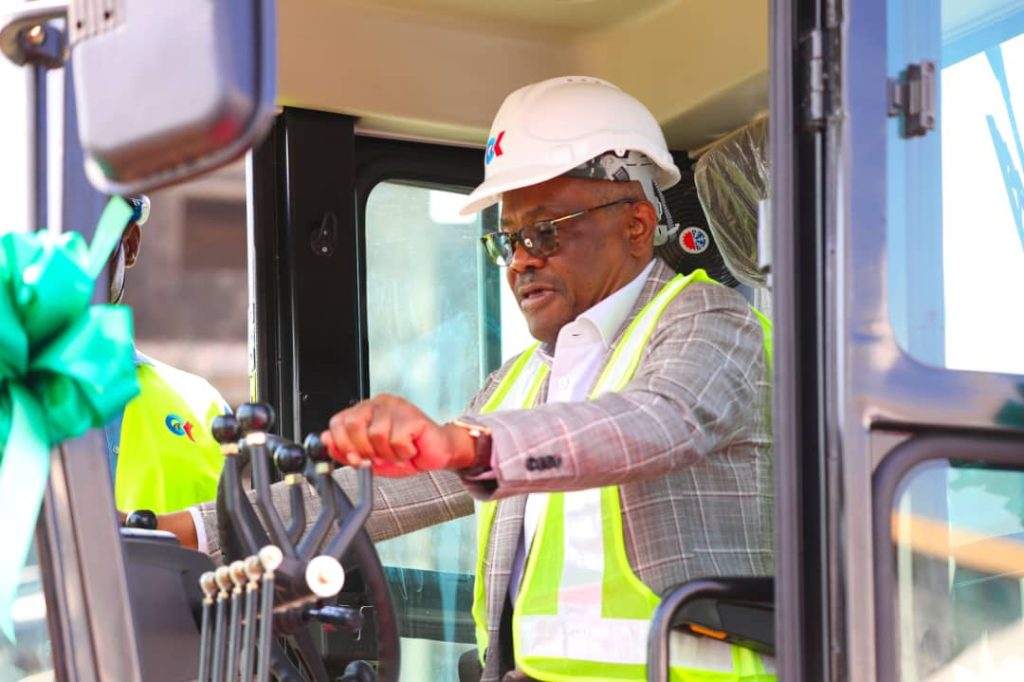
Editorial Note & Performance Assessment Directive
As Nigeria approaches critical political horizons, public interest media plays an indispensable role in steering the electorate toward empirical accountability, performance tracking, and good governance. Published by American Media Consultants via TipsNews International, this rigorous editorial assessment beams its analytical searchlight on public office execution in Nigeria. By evaluating historical data, project delivery timelines, and administrative courage, this review provides a definitive comparative scorecard of successive Ministers of the Federal Capital Territory (FCT)—culminating in an in-depth exploration of why the incumbent, Chief Barrister Ezenwo Nyesom Wike, stands head and shoulders above his predecessors.
Into the 21st Century: Navigating Modern Challenges
Nasir Ahmad el-Rufai (2003 – 2007)
Nasir Ahmad el-Rufai’s tenure marked a significant phase in Abuja’s history. His administration prioritized urban renewal, city planning, and infrastructure development. Notable projects, such as the Abuja Light Rail, were initiated during this period.
Adamu Aliero (2007 – 2008)
Adamu Aliero’s brief tenure as FCT Minister saw a continuation of developmental projects and a commitment to addressing housing challenges in the capital.
Aliyu Modibbo Umar (2008 – 2010)
Aliyu Modibbo Umar’s administration focused on addressing critical issues such as land allocation, urban planning, and infrastructure development. The objective was to position Abuja as a model city on the African continent.
Bala Abdulkadir Mohammed (2010 – 2015)
Bala Abdulkadir Mohammed assumed office during a period of increased urbanization. His administration prioritized inclusive development, with a focus on housing, transportation, and social services.
Mohammed Musa Bello (2015 – 2023)
Mohammed Musa Bello oversaw Abuja’s continued evolution. His tenure has been marked by efforts to enhance security, infrastructure, and the overall livability of the capital city.
Nyesom Ezenwo Wike (2023 – Present)
In 2023, Nyesom Ezenwo Wike assumed the role of the FCT Minister, bringing a fresh perspective to Abuja’s development. As the current FCT Minister, his tenure is marked by a commitment to building on past achievements and addressing contemporary challenges. With a background in governance and a track record of transformative leadership, Wike’s administration is poised to contribute to the ongoing evolution of Abuja.
Comparative Matrix: FCT Ministerial Tenures At-a-Glance
| FCT Minister | Tenure Window | Primary Administrative Focus & Governance Style | Core Structural & Policy Achievements | Notable Constraints / Vulnerabilities |
| Nasir Ahmad el-Rufai | 2003 – 2007 | Urban renewal, city planning, and infrastructure development. | Restored Abuja’s original design framework; initiated the Abuja Light Rail; land administration reforms. | High social friction, public friction over displacement policies, and intense controversies surrounding mass property demolitions. |
| Adamu Aliero | 2007 – 2008 | Continuation of developmental projects and addressing housing challenges. | Sustained ongoing infrastructural momentum and housing initiatives. | Brief tenure restricted long-term strategic policy execution. |
| Aliyu Modibbo Umar | 2008 – 2010 | Land allocation, urban planning, and positioning Abuja as a model African city. | Focused on structural order and urban standard enforcement. | Limited window for major legacy capital project completions. |
| Bala Abdulkadir Mohammed | 2010 – 2015 | Inclusive development, housing, mass transportation, and social services. | Groundbreaking of arterial bypasses, suburban expansion, and PPP housing ventures. | Encumbered by delayed project completions, funding bottlenecks, and rising bureaucratic inefficiencies. |
| Mohammed Musa Bello | 2015 – 2023 | Institutional stability, security enhancement, and capital livability. | Maintained industrial harmony; ensured predictable, prompt emolument payments for FCTA workforce. | Characterized by a slow project tempo; minimal execution of capital-intensive legacy infrastructure; pervasive abandoned projects. |
| Chief Barrister Ezenwo Wike | 2023 – Present | Action-driven executive execution, aggressive revenue generation, uncompromised master plan reclamation, and rapid project delivery. | Commissioning of major expressways, revitalization of transit frameworks, rapid dualization of township roads, and zero tolerance for abandoned projects. | High-intensity operational tempo; polarizing political friction outside core administrative duties. |
https://abujaguide.com.ng/ministers-and-administrators-of-abuja/
Rigorous Evaluation: Why Wike Ascends Above All Predecessors
In less than four years in office, Barrister Nyesom Wike has transformed Abuja back into a sprawling, active construction site, earning widespread validation from President Bola Ahmed Tinubu—who openly proclaimed Wike’s appointment as one of the finest in Nigeria’s democratic history—as well as accolades across political divides.
1. The Death of Abandoned Projects
Unlike past tenures where multi-billion-naira infrastructure languished for decades due to cash-flow irregularities, Wike instituted a strict financial rule: no project is awarded without 100% back-up funding secured beforehand, and no initiative is permitted to drag past a one-year delivery window. This policy has salvaged critical arteries, bridges, and public health facilities that previous administrations left dormant.
2. Geographic and Political Paradigm Shift
Wike’s historic success carries profound structural significance: he is the first FCT Minister in modern history hailing from the South-South geopolitical zone of Nigeria. Traditionally, the FCT portfolio has been viewed through exclusive regional and northern political lenses. By stepping into this intensely scrutinized, high-stakes position as a Southern leader, Wike shattered historical glass ceilings, proving that competence, executive willpower, and administrative excellence transcend regional parochialism.
3. Decisive Urban Reclamation vs. Bureaucratic Hesitation
While El-Rufai laid the groundwork for master plan enforcement, subsequent administrations allowed systemic decay, land speculation, and illegal green-area encroachments to degrade Abuja’s layout. Wike combined El-Rufai’s structural discipline with immediate, visible social dividends—resurfacing hundreds of kilometres of township roads, overhauling public illumination, and securing diplomatic enclaves without bowing to intimidation.
Conclusion & Call to Action
The empirical evidence is absolute: Nyesom Wike has redefined governance within the nation’s capital through raw speed, financial discipline, and unmatched political courage. As we track performance trends ahead of upcoming democratic cycles, leadership of this caliber sets the definitive benchmark for public officeholders across Nigeria.
Join the Discussion!
- Like this investigative review if you believe true leadership demands action over excuses!
- Comment below with your perspective on Abuja’s infrastructure transformation!
- Share this article across your networks to guide public discourse!
- Follow TipsNews International for more rigorous, data-driven governance analysis!
Francis Fagjot John, Ph.D.
Editor & Publisher, TipsNews International
Executive Director, America Media Consultants
Gold Recipient, U.S. Presidential Volunteer Service Award (PVSA)
Kansas City, Missouri, USA