No Birthday Forgotten, No Life Overlooked, No Community Excluded: HOPe Africa USA Launches a New Humanitarian Movement Between Zambia and the USA
No Birthday Forgotten, No Life Overlooked, No Community Excluded: HOPe Africa USA Launches a New Humanitarian Movement Between Zambia and the USA
By HOPe Africa USA | Published by TipsNews.info
LUSAKA, ZAMBIA / KANSAS CITY, MISSOURI, USA — September 2026 — What began as a birthday celebration has emerged as something considerably greater: the opening chapter of a potentially scalable humanitarian model connecting the United States, Zambia, the African diaspora, local community organizations, businesses, volunteers, media, and people of goodwill around one powerful conviction — no birthday should be forgotten, no life should be overlooked, and no community should be excluded.
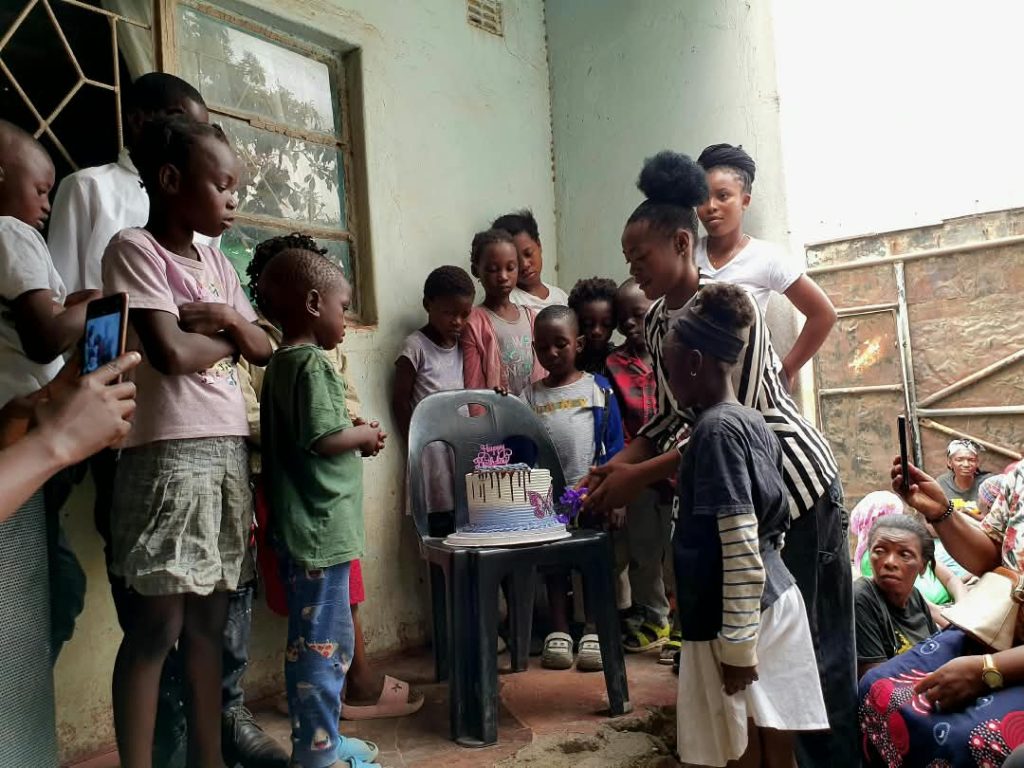
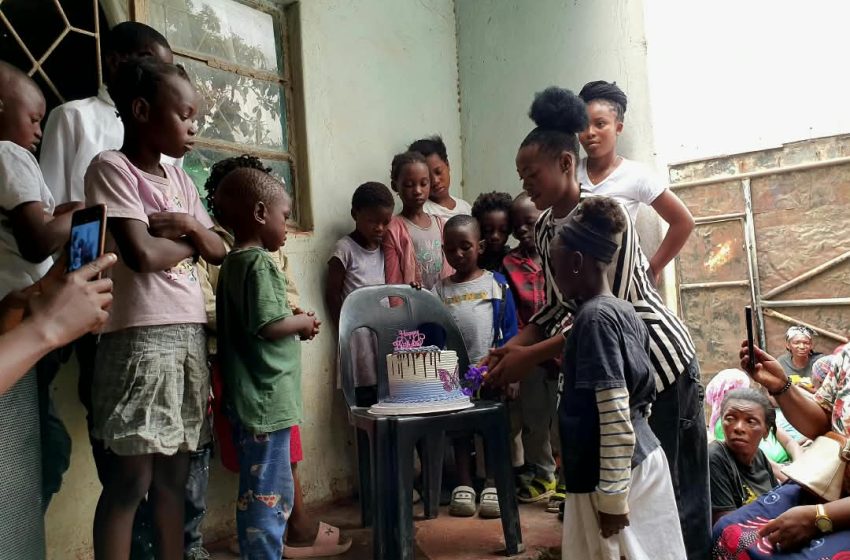
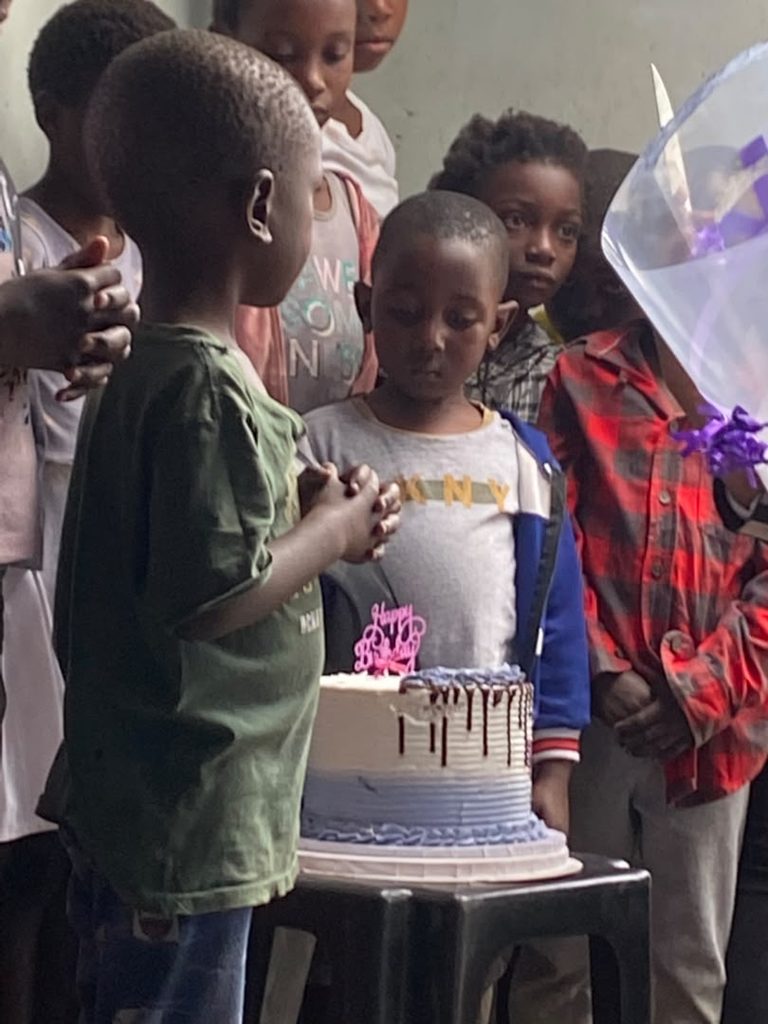
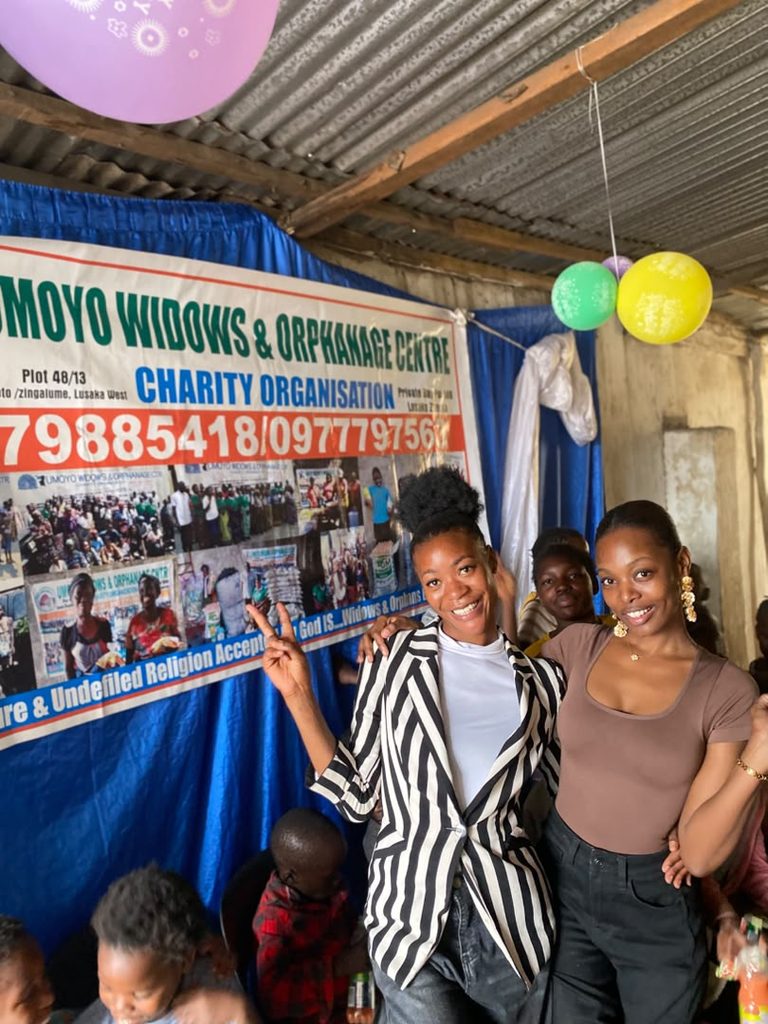
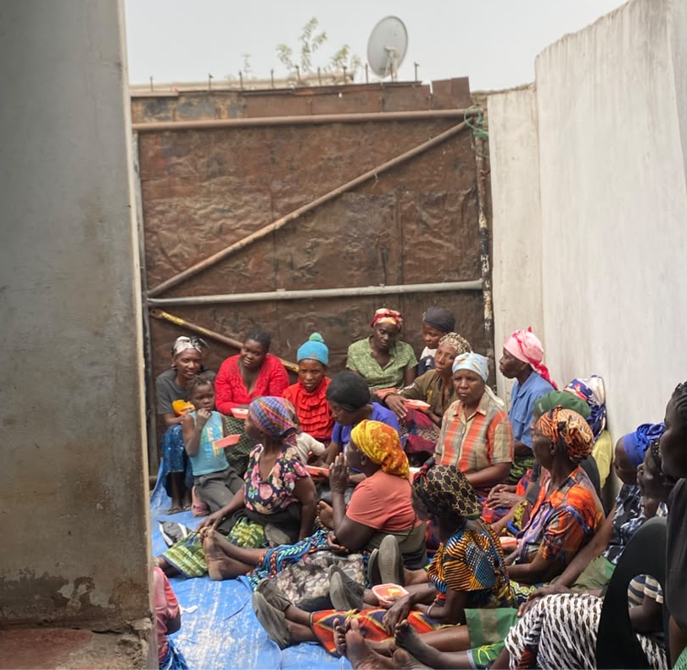
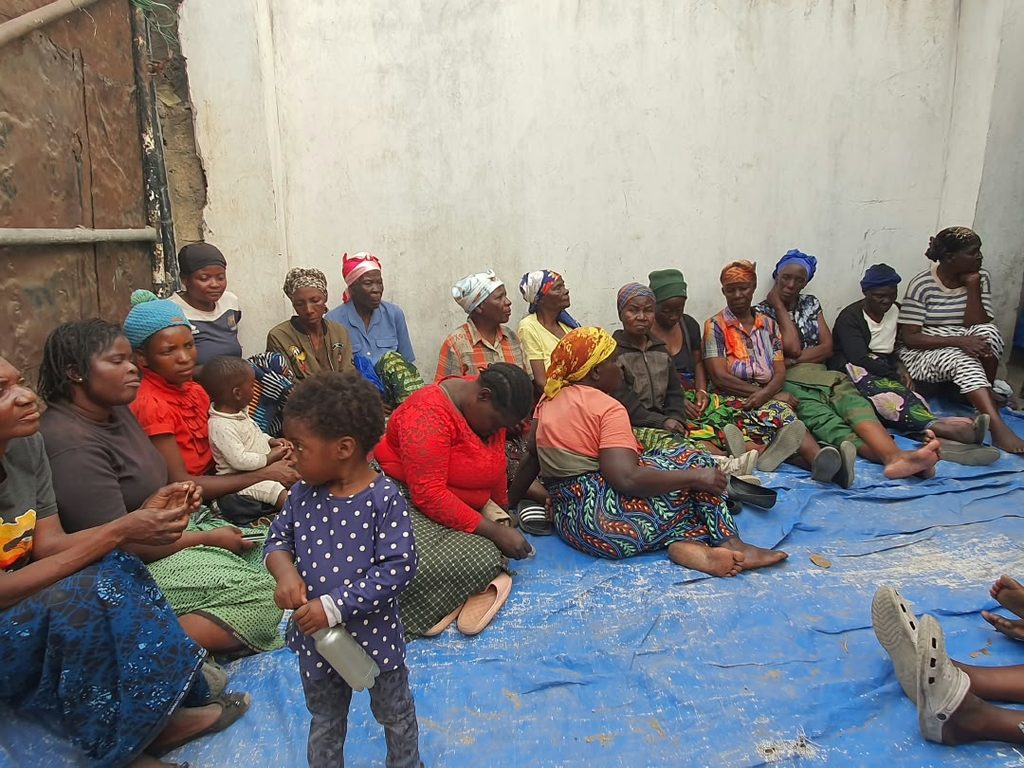
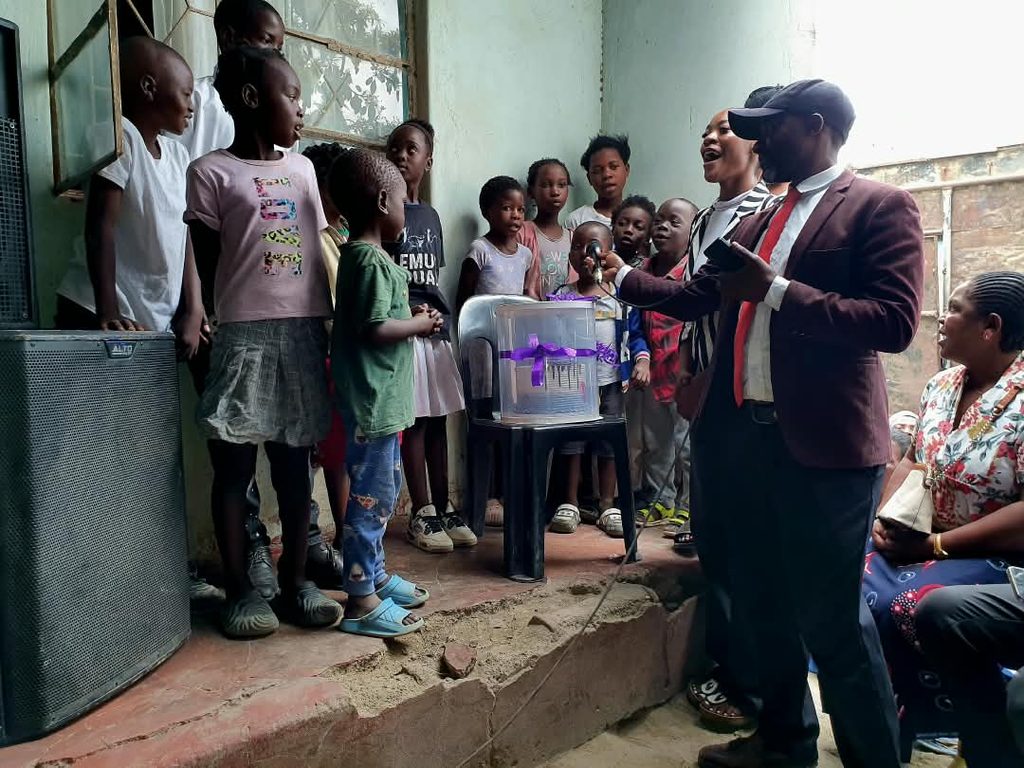
On Saturday, September 5, 2026, HOPe Africa International USA launched its inaugural Zambia–USA Monthly Inclusive Donations and Birthday Celebration Initiative at the Umoyo Widows and Orphanage Centre (UWAOC) in Soweto, Lusaka West. The initiative is designed not as a one-day charity event, but as a structured 12-month pilot program combining birthday recognition, humanitarian assistance, resource sharing, community connection, inclusion, partnership development, storytelling, and longer-term empowerment.
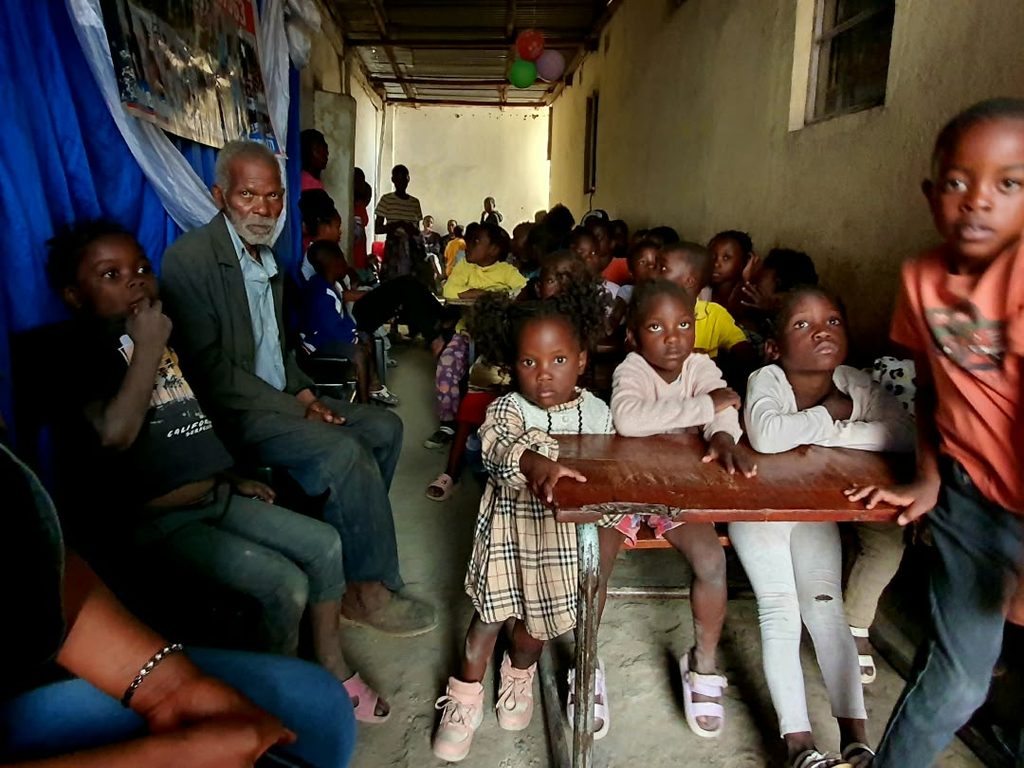
The event was organized around the deeply human theme, “No Birthday Forgotten. No Life Overlooked. No Community Excluded.” Its significance goes beyond cake, music, photographs or ceremonial greetings. For children growing up in difficult circumstances, widows facing economic hardship, caregivers who spend their lives serving others, and vulnerable families struggling with basic necessities, being remembered can itself become an important form of dignity, belonging and hope.
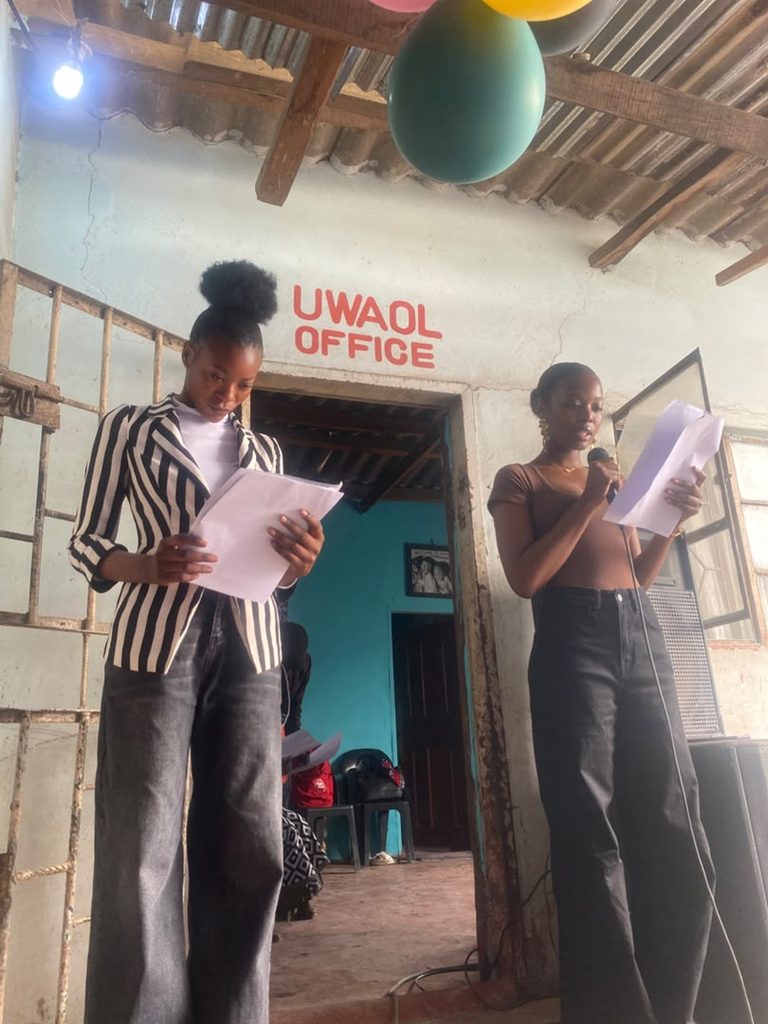
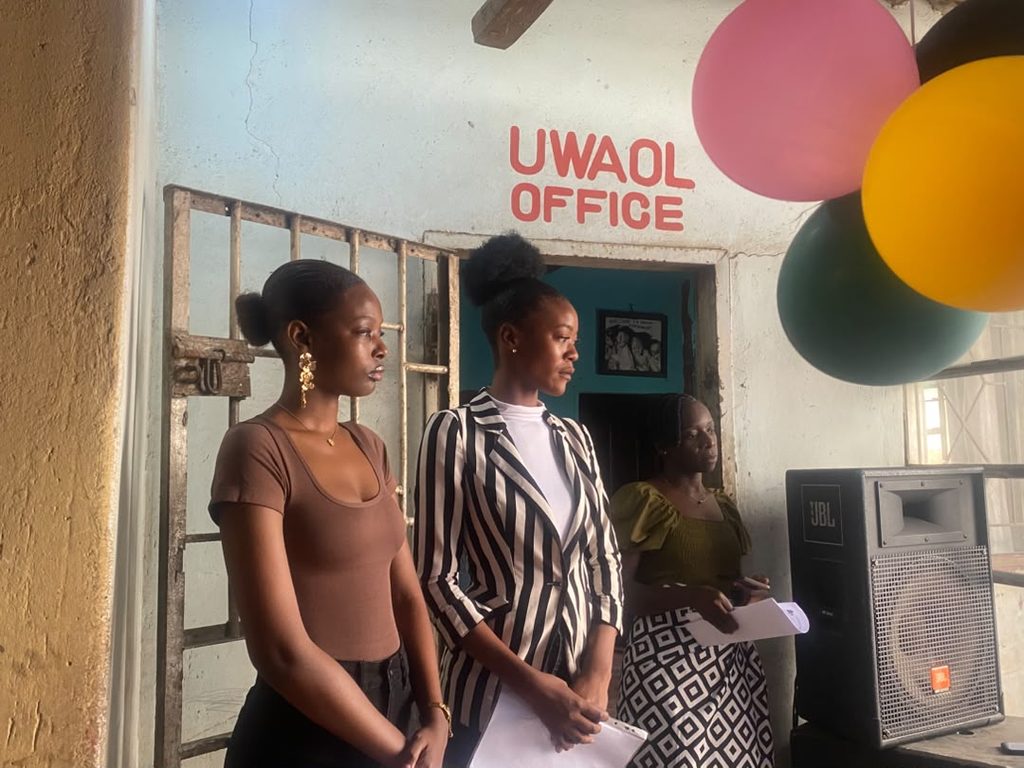
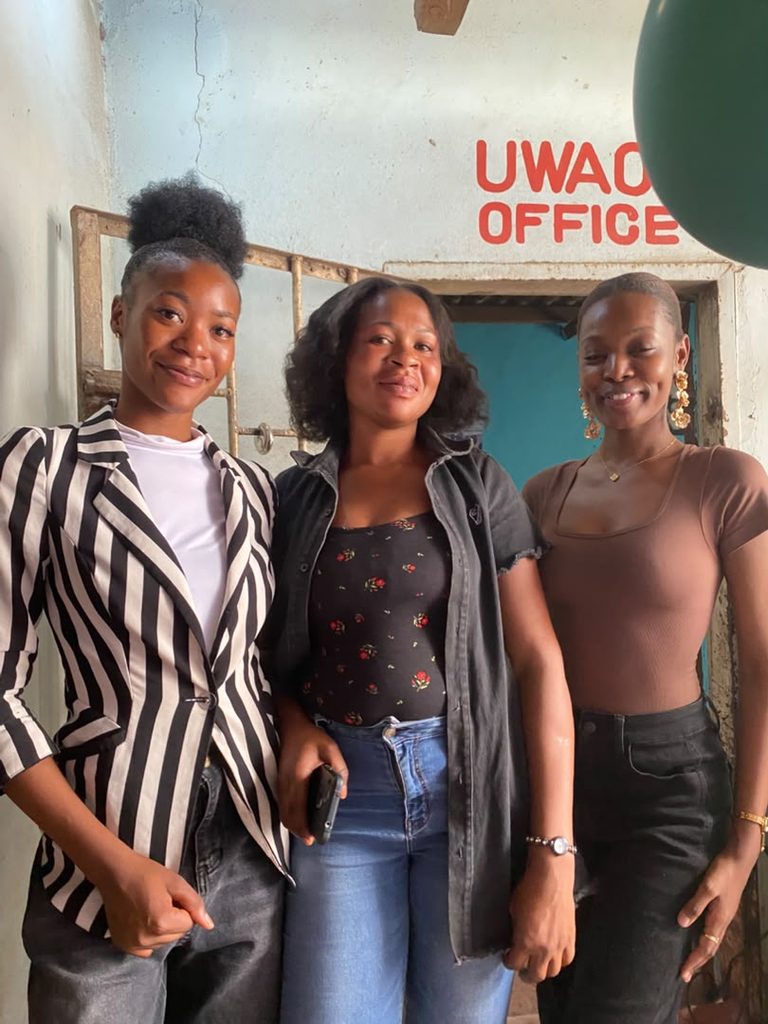
HOPe Africa USA Representative and Humanitarian Advocate in Zambia, Delphine Lengwe, represented HOPe Africa USA Executive Director Dr. Francis Fagjot John, PhD, and challenged stakeholders to think about humanitarian service beyond the traditional delivery of material assistance. Her central question — what if no one’s birthday had to pass unnoticed? — captures the philosophy behind the initiative: humanitarianism must address not only physical needs but also human connection, recognition, dignity and belonging.
The partnership model also demonstrates the importance of connecting international resources with credible local leadership. The initiative was coordinated locally with support from the Zambia Diaspora Chamber of Commerce (ZDCC), whose mission includes building bridges between Zambia and the United States through business, investment, professional networks, capacity building and trade. ZDCC says its long-term vision is to help grow the U.S.–Zambia investment and trade relationship toward a $1 billion portfolio by 2030, making its involvement in a humanitarian initiative an important example of diaspora engagement extending beyond commerce into community impact.
The roots of this partnership reach back to the International Business Exchange (IBEx) 2025 Hybrid Conference, where HOPe Africa USA participated as a delegation. According to ZDCC Founder and President Freud C. Musanu, the relationship developed progressively from that engagement into a partnership capable of connecting international goodwill with a community organization serving vulnerable people in Lusaka. The lesson is significant: international conferences do not have to end when the delegates leave the room; relationships formed through business and professional networks can become platforms for measurable humanitarian action.
Mr. Musanu’s message, delivered at the launch by Dyna Kayanika, reinforced that the occasion was not simply a social gathering. It was a celebration of humanity, life, dignity, inclusion, belonging and hope. That distinction is central to understanding why the initiative has the potential to attract serious philanthropic, corporate social responsibility, diaspora and institutional support.
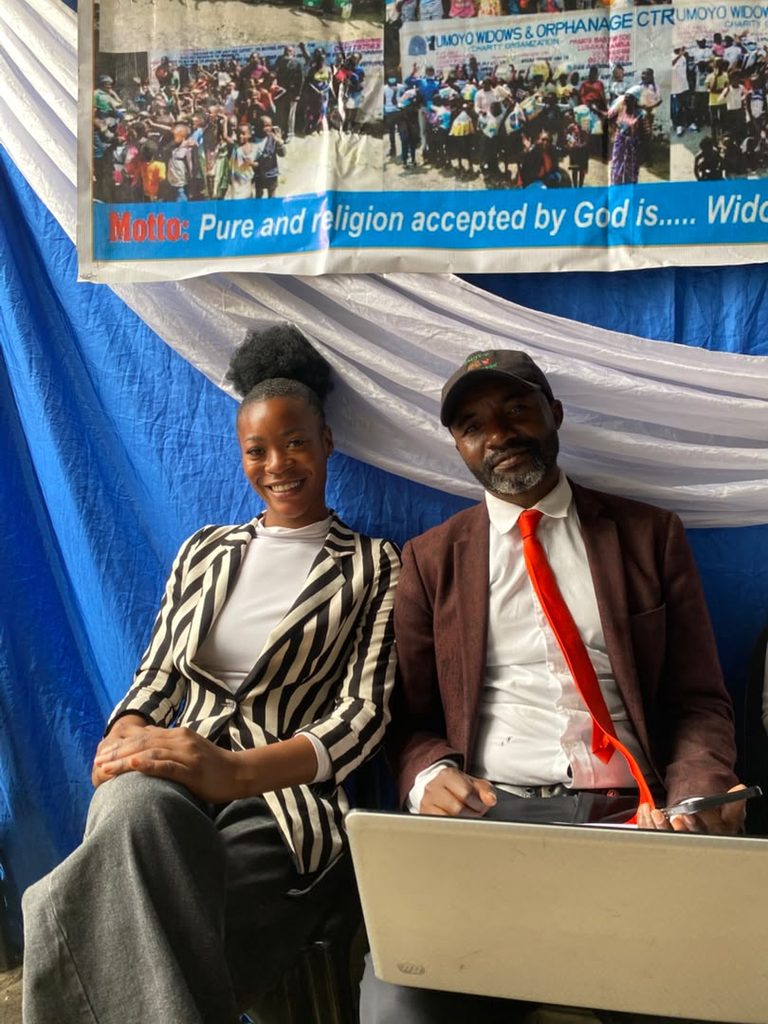
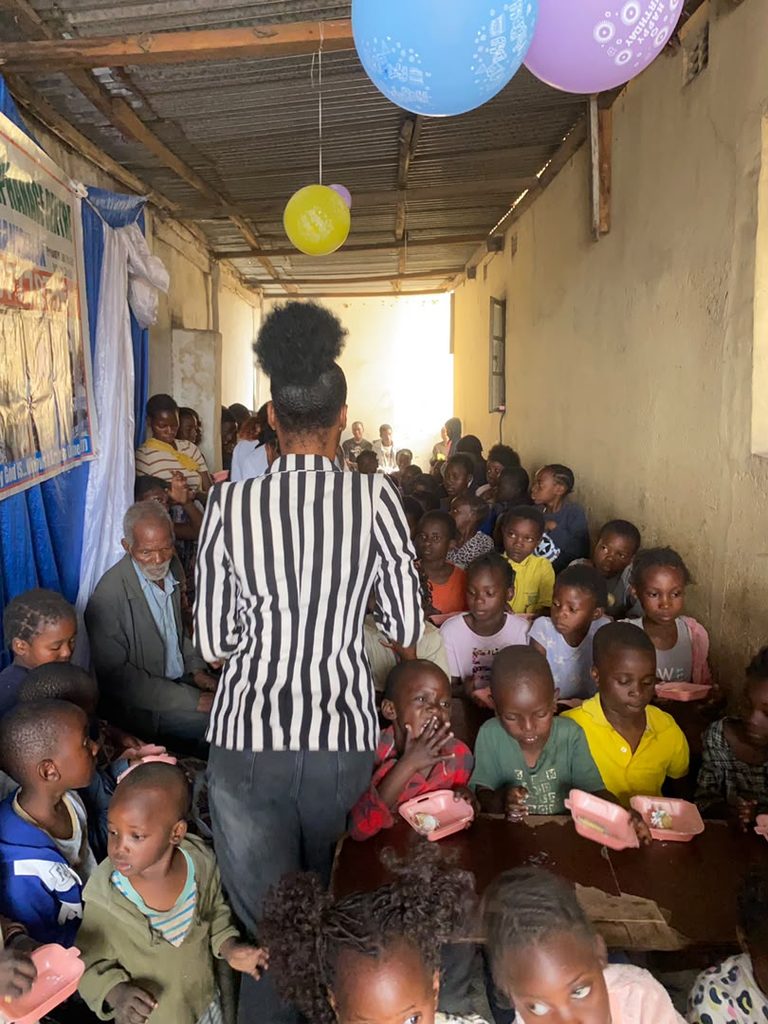
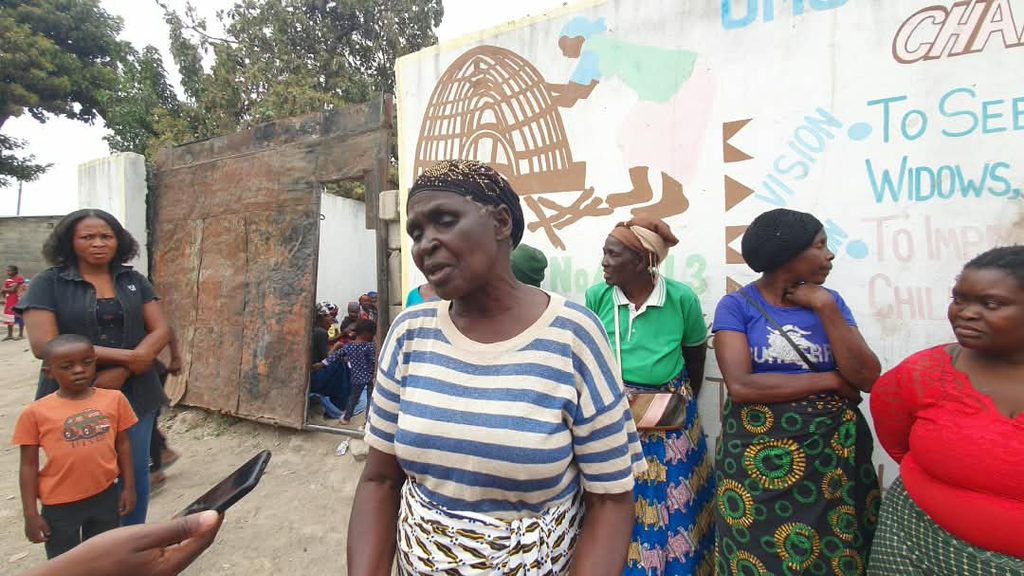
UWAOC provided the local foundation for the launch because of its continuing work with vulnerable children, widows and families. UWAOC Director and Founder Paulo Nyangu reported that the organization currently supports 148 orphaned and vulnerable children, 66 widows and two widowers, while also operating with five leaders and six volunteer caregivers. The organization provides take-home food support, education assistance, periodic feeding programs and home visits. These figures demonstrate that the birthday initiative is being introduced into an existing community-support ecosystem rather than creating a program without local infrastructure.
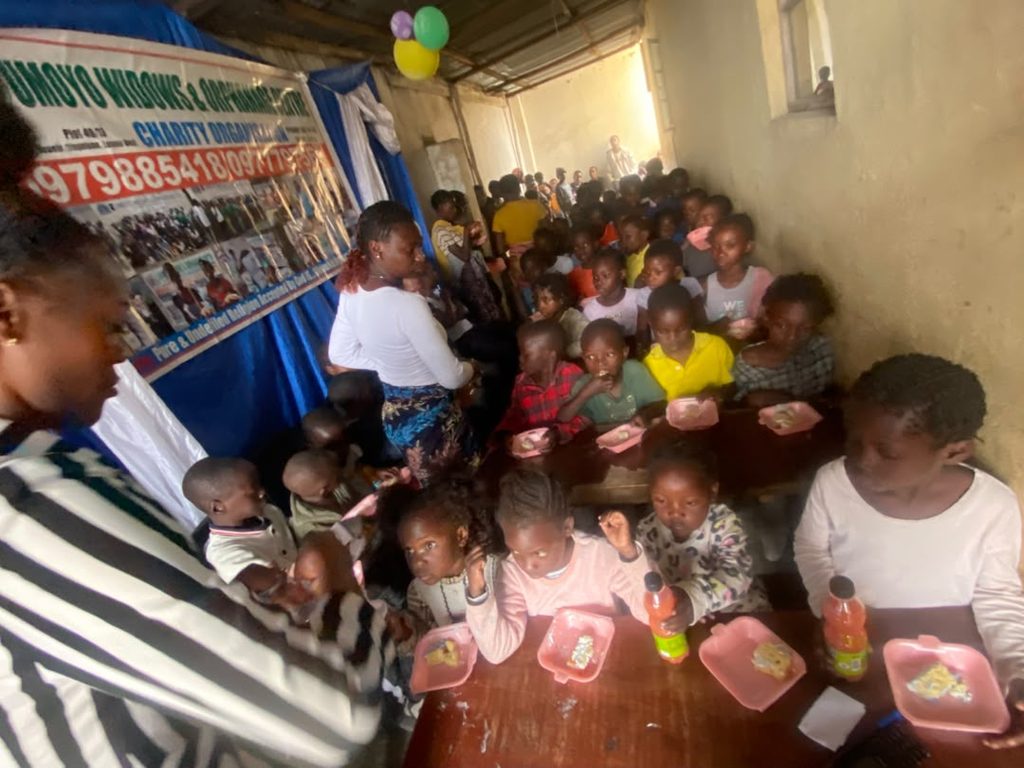
The significance of these numbers is considerable. Based on the figures publicly reported at the launch, UWAOC’s core vulnerable beneficiary population represented by the children, widows and widowers totals 216 people, with an additional leadership and volunteer-caregiving network supporting the work. That creates a clear foundation for future measurement: every subsequent monthly celebration can document participants served, birthdays recognized, households reached, goods distributed, education needs addressed, partnerships established, volunteers mobilized and follow-up outcomes achieved.
The initiative also embraces an important development principle: relief should lead toward resilience wherever possible. UWAOC reported efforts toward greater self-reliance, including agricultural development in Rufunsa involving maize and sunflower production and village-banking initiatives intended to help widows access soft loans and revolving funds for income-generating activities. This makes the partnership potentially attractive to funders interested not only in emergency relief but also in food security, women’s economic empowerment, education, livelihoods and community resilience.
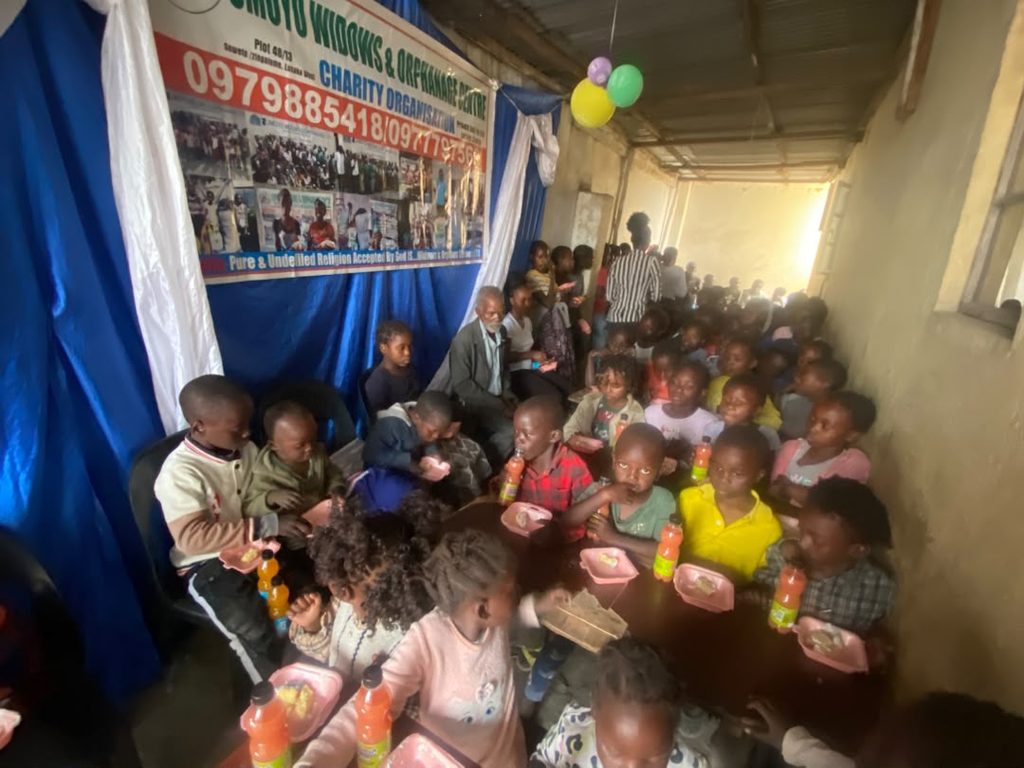
The event also brought attention to significant infrastructure and operational needs. UWAOC identified inadequate toilet facilities, limited classroom space, the lack of a utility vehicle, insufficient accommodation for orphaned and vulnerable children and older people, security concerns and the absence of a proper main entrance gate. These are not merely challenges; they represent clearly identifiable opportunities for corporate sponsors, foundations, construction companies, transportation providers, educational partners, security firms, technology companies, healthcare organizations, agricultural businesses and individual philanthropists to convert resources into visible, measurable community improvements.
For prospective funders, this is one of the strongest features of the initiative: the needs can be translated into specific projects with measurable outputs and outcomes. Instead of asking donors simply to “support charity,” HOPe Africa USA and its partners can develop defined sponsorship opportunities around birthday celebrations, food security, education, transportation, sanitation, accommodation, agriculture, women’s enterprise, child welfare, volunteer development and communications. Every contribution can then be tracked against a documented community need.
The initiative also reflects HOPe Africa’s broader philosophy of creating a friendly society for all and its emphasis on enabling people rather than defining them by vulnerability. HOPe Africa’s published mission focuses on inclusive communities, education, health, sustainable development and empowerment, while its public platform invites both financial and physical-resource contributions.
The launch therefore represents an important evolution in diaspora humanitarianism. Instead of viewing the African diaspora merely as a source of remittances, the Zambia–USA model demonstrates how diaspora relationships can mobilize knowledge, professional skills, business networks, philanthropy, media exposure, technology, logistics, mentorship and investment. It is a model in which people abroad can participate meaningfully in community development while local organizations retain the responsibility of identifying needs and implementing solutions on the ground.
Another valuable dimension is storytelling. HOPe Africa’s pre-launch plans emphasized working with local creative professionals so that beneficiaries are represented with dignity and their stories are communicated professionally rather than reduced to images of hardship. That approach can become an important part of responsible fundraising: communities should not merely be photographed as recipients of aid; their resilience, abilities, aspirations, creativity and progress should also be documented and celebrated.
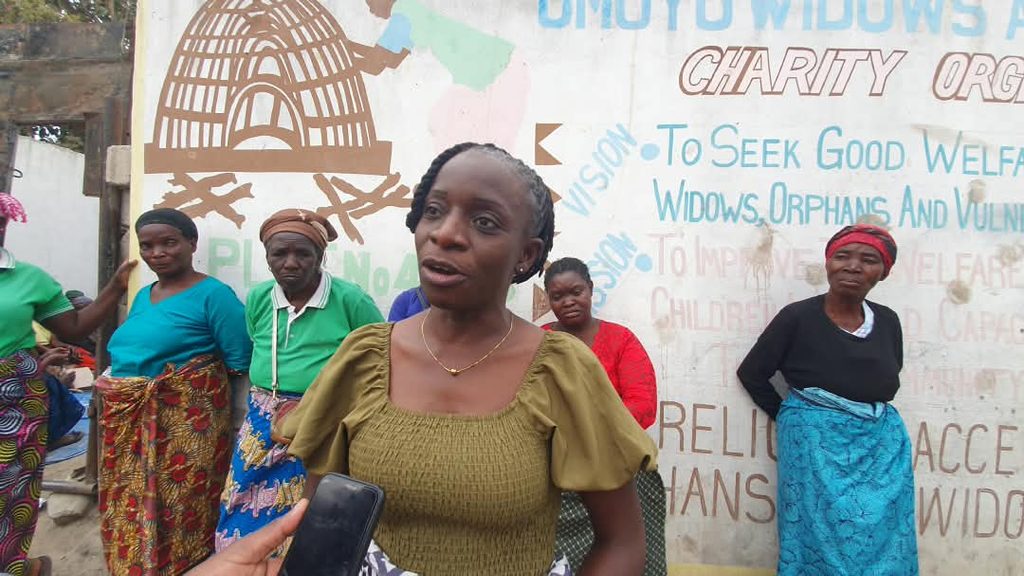
The public record surrounding the launch already provides an emerging media trail. The event was covered by Zambia24, which reported the launch, the partnership structure, UWAOC’s beneficiary figures, operational needs and the 12-month pilot vision. HOPe Africa USA’s own pre-event announcement was also published by TipsNews.info, establishing the initiative’s original objectives and humanitarian framework.
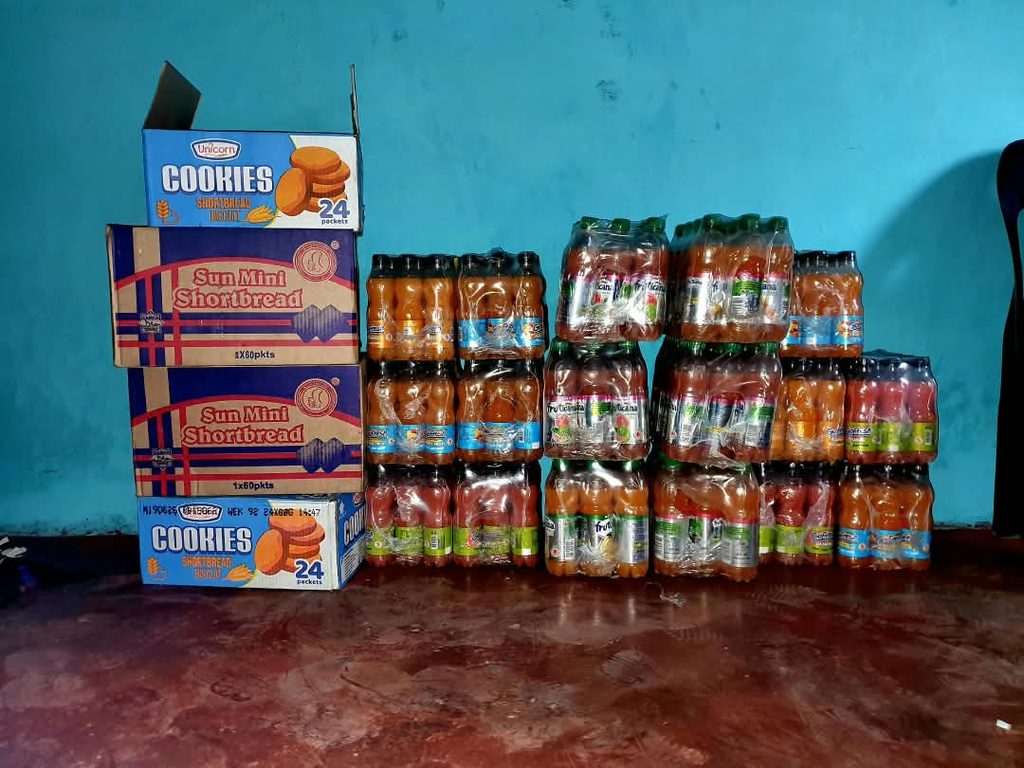
For transparency, it is important to note that the public reports reviewed do not yet provide a consolidated monetary valuation of donations, a complete inventory of goods distributed, or a final number of birthday celebrants served at the September 5 event. Those figures should be documented before being presented to major institutional funders or award committees. Establishing a formal monthly impact dashboard — including cash received, in-kind donations, estimated fair-market value, beneficiaries reached, birthdays celebrated, meals or food packages distributed, education support, volunteers, sponsors, media reach and follow-up outcomes — would significantly strengthen the program’s credibility and future funding applications.
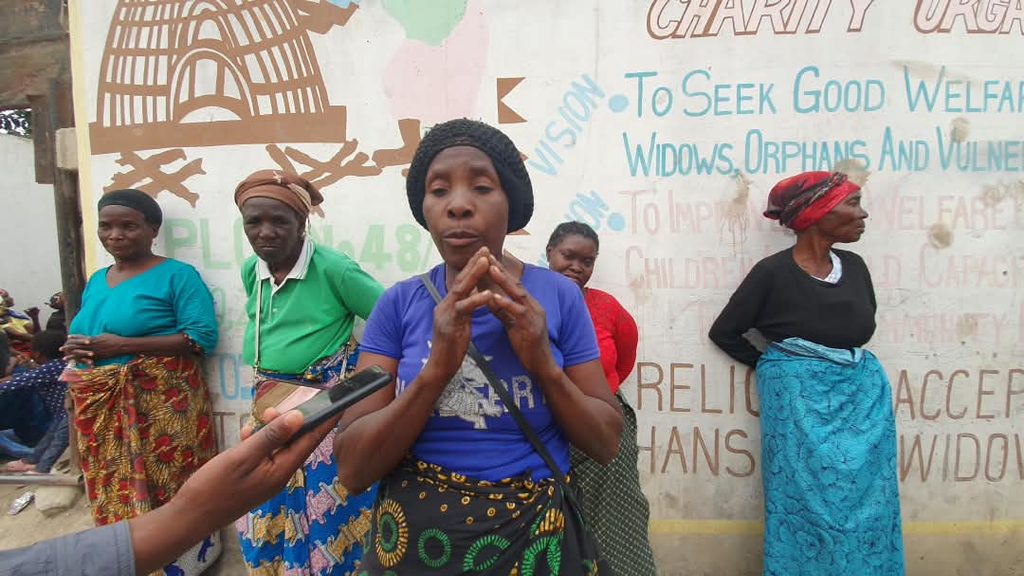
This is particularly important because the initiative is designed as a 12-month pilot. The real measure of success will not be the inaugural celebration alone. Success will be demonstrated by whether monthly celebrations continue, whether partnerships grow, whether more vulnerable people are reached, whether UWAOC’s identified infrastructure challenges are addressed, whether widows and families gain greater economic resilience, whether children receive sustained educational support, and whether the model can responsibly expand beyond Lusaka into other communities in Zambia and eventually other African countries.
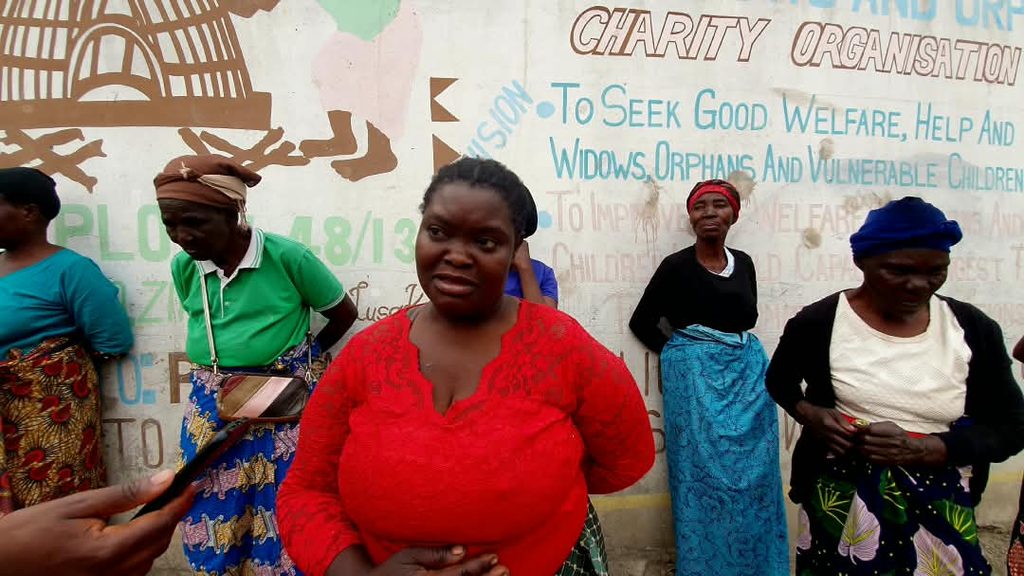
The opportunity ahead is therefore much larger than an annual birthday program. HOPe Africa USA can position the initiative as a replicable community-impact platform with several interconnected pillars: celebration and psychosocial inclusion; food and essential-needs support; child welfare and education; women’s empowerment; agricultural and livelihood development; diaspora engagement; corporate volunteering; local creative storytelling; responsible humanitarian communications; and measurable community development.
That structure gives businesses and foundations multiple reasons to participate. A food company can sponsor nutrition. A school-supply company can support education. A transportation company can address the need for a utility vehicle. A construction company can help improve sanitation, classrooms, accommodation or security infrastructure. Technology companies can support communications and digital administration. Financial institutions can support village banking and women’s enterprise. Media organizations can amplify the stories. Diaspora professionals can contribute expertise. Individuals can sponsor a birthday, a food package, a school need or a family. The model makes room for virtually every form of responsible contribution.
Most importantly, the initiative gives donors something increasingly important in modern philanthropy: a human story combined with an accountable pathway to impact. A birthday becomes an entry point. A donation becomes a resource. A partnership becomes capacity. A photograph becomes a record. A celebration becomes belonging. A monthly program becomes continuity. And continuity, when properly measured and managed, becomes sustainable community development.
The first celebration should therefore be viewed not as the conclusion of a campaign but as the beginning of a movement. HOPe Africa USA, ZDCC and UWAOC have created a bridge between Lusaka and the wider international community, and the next stage is to strengthen that bridge with transparent reporting, committed sponsors, institutional partners, volunteers, recurring donors and measurable outcomes.
The message to the international community is straightforward: you do not have to solve every problem to make a difference. You can start with one birthday, one child, one widow, one family, one classroom, one meal, one vehicle, one scholarship, one business opportunity or one act of service. Small acts, when organized through trustworthy partnerships and sustained over time, can become extraordinary collective impact.
HOPe Africa USA’s appeal is therefore both simple and ambitious: start where you are, use what you have, and do what you can. The organization welcomes responsible partnerships from corporations, foundations, philanthropists, government and development agencies, diaspora organizations, businesses, faith communities, professional associations, media organizations and individuals who believe that humanitarian service should create dignity, opportunity and lasting inclusion.
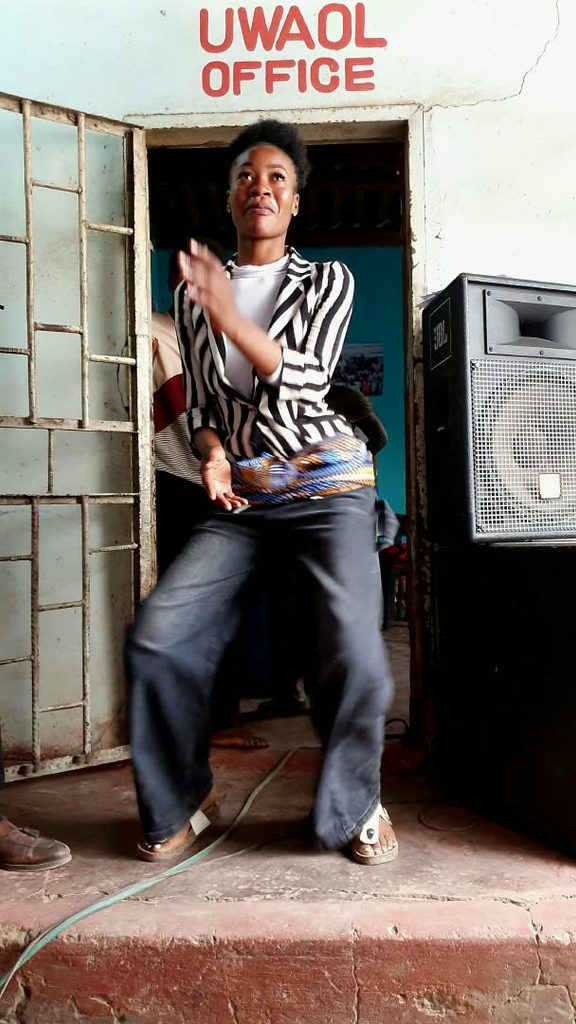
The September 5, 2026 launch has already accomplished something important: it transformed the idea of a birthday from a private personal milestone into a public expression of humanity. The next twelve months will determine how far that idea can travel.
And if the vision is sustained, measured and properly supported, the most important outcome may ultimately be this: more children will know they are remembered, more widows will know they are not alone, more families will see pathways toward resilience, more communities will be connected across borders, and more people will discover that compassion can be organized into lasting impact.
HOPe Africa USA — Creating Friendly Societies for All Through Service, Partnership, and Impact.
Media and supporting documentation: The official HOPe Africa website provides organizational information and donation/volunteer pathways. The original pre-event announcement is available through TipsNews.info’s HOPe Africa launch announcement, while the independent post-event report is available through Zambia24’s coverage, “HOPe Africa Brings Hope to People in Need”. Social-media and event-media links supplied for this report include HOPe Africa USA Facebook post and additional Facebook event coverage. ZDCC’s official website and ZDCC Media page provide additional channels for partnership and media follow-up. Umoyo Widows & Orphanage Center information provides additional background and contact information for the local implementing organization.