Exclusive Zoom Conversation with Ben Kure: Inside the Leadership, Vision, and Communication Strategy Driving Kaduna State’s Transformation
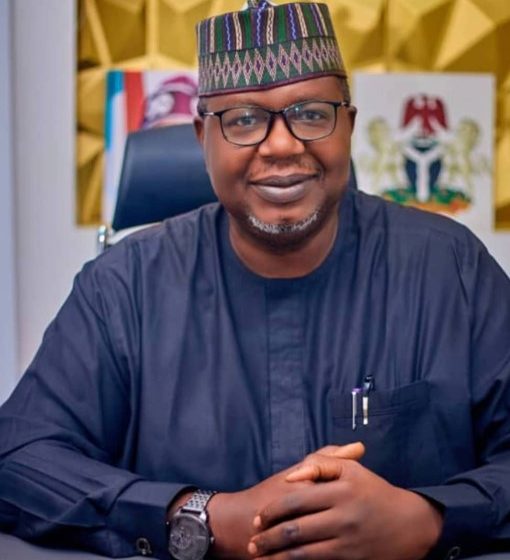
Exclusive Zoom Conversation with Ben Kure: Inside the Leadership, Vision, and Communication Strategy Driving Kaduna State’s Transformation
An Intellectual Conversation on Governance, Media, Peacebuilding, Public Trust, and the Future of Kaduna Under Governor Uba Sani
By Francis Fagjot John, PhD
Editor & Publisher, TipsNews.info
Editor’s Note
Some conversations are memorable not because they are dramatic, but because they are thoughtful, measured, and illuminating.
This exclusive Zoom conversation with Ben Kure, the newly appointed Managing Director of Kaduna State Media Corporation (KSMC), was one of those rare engagements. From the opening greetings to the concluding remarks, the discussion proceeded seamlessly without technical interruptions or communication hitches. The atmosphere remained cordial, intellectually engaging, and focused on governance, public service, media innovation, and the future of Kaduna State.
Throughout the discussion, Mr. Kure reflected on his professional journey, the responsibilities of public communication, and the importance of fostering trust between government and citizens. He also spoke about the opportunities and challenges facing Kaduna State and emphasized the role of constructive dialogue, inclusive governance, and responsible journalism in promoting peace and development.
Academically, Ben Kure holds a Master’s degree in Conflict, Peace and Strategic Studies and a Bachelor of Science degree in Geography and Planning. He is a Corporate Member of the Chartered Institute of Bankers of Nigeria (CIBN) and a Member of the Institute of Management Consultants (MIMC). These academic and professional credentials have shaped his approach to leadership, strategic communication, and organizational management.
Governor Uba Sani congratulated Mr. Kure on his appointment and expressed confidence that he would strengthen Kaduna State Media Corporation’s role as a dynamic public broadcaster aligned with the administration’s communication objectives.
A Conversation Rooted in Public Service
Throughout the interview, Ben Kure consistently emphasized that effective communication is not merely about disseminating information but about listening to citizens, fostering transparency, and ensuring that government policies are understood within their proper context.
He described public trust as one of the most valuable assets any administration can possess and stressed that the role of KSMC extends beyond broadcasting news—it includes educating, informing, connecting communities, and encouraging constructive civic participation.
He noted that modern public media must embrace professionalism, technological innovation, and editorial responsibility while remaining accessible to all residents of Kaduna State.
Reflecting on Governor Uba Sani’s Leadership
During the discussion, Ben Kure spoke respectfully about Governor Uba Sani’s leadership style, highlighting the Governor’s emphasis on accessibility, dialogue, and community engagement.
He observed that many stakeholders appreciate opportunities to engage directly with government and expressed the view that sustained consultation with communities contributes to more informed policymaking.
According to Kure, governance is strengthened when leaders remain attentive to the concerns of citizens regardless of ethnicity, religion, geography, or social background.
He emphasized that inclusive governance requires continuous communication and mutual respect between government institutions and the people they serve.
Media as a Bridge Between Government and Citizens
One of the recurring themes of the conversation was the evolving role of public broadcasting.
Ben Kure explained that today’s audiences expect accuracy, timeliness, and credibility. As information circulates rapidly across digital platforms, public media organizations have a heightened responsibility to verify facts, provide context, and promote informed public discourse.
He expressed optimism that KSMC can continue evolving into a multimedia institution that combines traditional broadcasting with digital innovation, community engagement, and youth participation.
Building Trust Through Professional Communication
The discussion also explored the importance of strategic communication in a diverse and dynamic state such as Kaduna.
Kure observed that communication should not only explain government initiatives but also create channels through which citizens can voice their concerns and contribute ideas.
He emphasized that trust develops gradually through consistency, transparency, and responsiveness.
According to him, effective communication should reduce misunderstanding, encourage dialogue, and strengthen social cohesion.
Peace, Development, and Inclusive Growth
Drawing upon his academic background in Conflict, Peace and Strategic Studies, Ben Kure reflected on the relationship between peace and development.
He noted that sustainable progress depends on stable communities, constructive engagement, and opportunities for young people.
He emphasized that media organizations have an important responsibility to promote peaceful coexistence, discourage misinformation, and amplify stories that inspire cooperation across diverse communities.
The Future of Kaduna State Media Corporation
Looking ahead, Kure described opportunities to strengthen KSMC through technological modernization, digital broadcasting, improved content development, professional training, and expanded audience engagement.
He expressed confidence that embracing innovation would enable the corporation to remain relevant in an increasingly digital media landscape while continuing to fulfill its public service mandate.
He also highlighted the importance of investing in journalists, producers, technical personnel, and emerging media professionals.
Technology and Artificial Intelligence
The conversation naturally turned toward artificial intelligence and its growing influence on journalism and broadcasting.
Ben Kure acknowledged that AI presents significant opportunities to improve newsroom efficiency, language translation, content accessibility, audience analytics, and archival preservation.
At the same time, he emphasized that technology should complement—not replace—the professional judgment, ethical standards, and editorial responsibility of experienced journalists.
Human integrity, he noted, remains indispensable in public communication.
Youth as Partners in Progress
Kure spoke enthusiastically about the role of young people in Kaduna’s future.
He encouraged greater investment in education, entrepreneurship, digital skills, innovation, and leadership development.
According to him, empowering youth contributes not only to economic growth but also to long-term peace, civic participation, and social resilience.
Looking Ahead
As the conversation concluded, Ben Kure reiterated his commitment to serving Kaduna State through professionalism, collaboration, and continuous improvement.
He expressed appreciation for the confidence placed in him through his appointment and acknowledged the responsibilities that accompany public office.
He also conveyed optimism regarding Kaduna State’s future, emphasizing that progress is best achieved when government institutions, the media, civil society, traditional institutions, and citizens work together toward shared goals.
Final Reflections
The interview demonstrated the value of thoughtful conversation over political rhetoric.
Rather than focusing on personalities, the discussion centered on institutions, service, communication, and the collective aspirations of Kaduna’s people.
Ben Kure’s remarks reflected an emphasis on professionalism, dialogue, and responsible leadership. Whether discussing media modernization, peacebuilding, youth empowerment, or public trust, his responses consistently returned to the importance of listening, collaboration, and accountability.
As Kaduna State continues its development journey, conversations of this nature contribute to a broader understanding of the opportunities and responsibilities that accompany public leadership.
For observers of governance, journalism, and public communication, the exchange offered valuable insight into the evolving role of KSMC and the broader relationship between media and democratic governance.